Community
Valkyries Parade: Part 2
By Katherine Langford
Advertisement · Why this ad?
Marcus manages the day-to-day editorial workflow across all brands, coordinating coverage assignments and ensuring editorial standards are met. He previously served as city editor at the Pioneer Press and holds a degree in Political Science from Carleton College.
More from Marcus →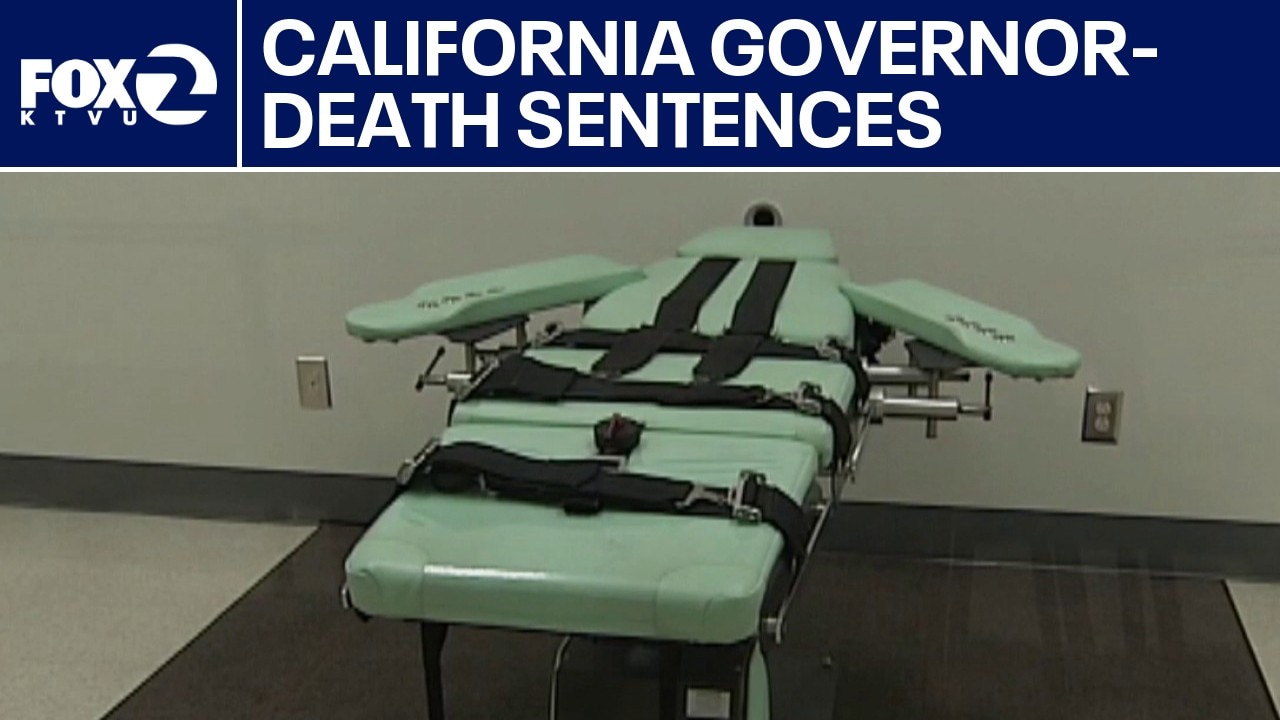
On a warm Thursday morning in Atherton, a quiet community known for its affluence, sprawling estates, and close-knit families, residents awoke to surprising and consequential news: California’s governor is taking a bold step that could significantly reshape the state’s justice system and its approach to punishment. Gov. Gavin Newsom announced he will commute more than 500 death sentences to life in prison without the possibility of parole, signaling a major shift in California’s historically contentious use of the death penalty.
In a move that has ignited both support and fierce controversy across the state, Newsom declared Thursday that he will commute over 500 death sentences, effectively ending the state’s use of the death penalty for those already condemned. This action affects a broad spectrum of cases dating back decades, many of which have been mired in legal battles, appeals, and debates over morality and justice. The final authority on whether these commutations will stand rests with the California Supreme Court, which is expected to review the governor’s actions in the coming weeks and months.
The governor’s decision is rooted in long-standing concerns about the morality, financial costs, and practical efficacy of the death penalty. California’s death row, located at San Quentin State Prison, is home to over 700 inmates, making it one of the largest death row populations in the United States. The cost to taxpayers for maintaining death row inmates and pursuing lengthy appeals has been estimated to be billions of dollars over the years, prompting many to question whether the system is sustainable or just.
Advocates for abolition of the death penalty argue that it is inherently flawed, racially biased, and prone to wrongful convictions. Religious communities, including many in California, emphasize forgiveness and redemption, aligning with the governor’s move. “This decision aligns with our faith’s call to love and forgive even the most broken among us,” said Pastor David Lee of the Atherton Community Church, a prominent local faith leader who has long spoken against capital punishment.
In Atherton, a community built on stability, tradition, and strong moral values, reactions to Newsom’s announcement are mixed and deeply personal. Many residents, especially those with close ties to faith, family, and community service, see the move as a step toward mercy, compassion, and a recognition of human fallibility. Local resident and retired judge Michael Harris expressed support, saying, “While justice must be served, we must also recognize the potential for redemption and the importance of mercy in our justice system.”
However, others express concern about the message this sends to victims’ families and the broader community. Sarah Martinez, a resident and mother of two, voiced her apprehension: “Justice must be balanced with compassion, but I worry this decision might feel like a dismissal of the pain victims’ families have endured. We need to ensure that accountability remains central to our justice system.” The debate underscores the moral and emotional divides that still exist in California’s communities, even among its most affluent neighborhoods like Atherton.
For families of murder victims, the governor’s move is a complex emotional landscape. Some see it as a compassionate act that prevents the state from executing those they believe can be redeemed, offering hope for forgiveness and healing. Others worry it diminishes the severity of their loved ones’ suffering and the justice they seek. Many families have waited years or even decades for closure, and the decision could reopen wounds or offer a new form of peace.
Among these families are individuals like Maria Lopez, whose sister was murdered in a high-profile case in San Francisco nearly 20 years ago. Lopez, now an advocate for victims’ rights, expressed cautious concern: “I understand the need for compassion, but for families like mine, justice is about acknowledgment and accountability. We hope the courts will respect our pain and the need for justice to be meaningful.”
The California Supreme Court will now undertake a review of the governor’s commutations, a process that could take several months. Legal experts anticipate that the court’s decision will set a significant precedent for how California balances justice, mercy, and fiscal responsibility in the future. The court’s ruling could either uphold the governor’s actions or reinstate the original sentences, depending on their interpretation of legal and constitutional issues involved.
Meanwhile, advocacy groups on both sides are mobilizing. Organizations like Families Against the Death Penalty have expressed support, praising Newsom’s move as a moral victory and a step toward ending a system they view as flawed. Conversely, law enforcement agencies and victims’ rights organizations have voiced concerns about potential risks to public safety and the message it sends about accountability.
For residents of Atherton and the broader Bay Area, this decision underscores the ongoing debate about the role of punishment, redemption, and justice in American society. It highlights the importance of community values rooted in faith, family, and the pursuit of a justice system that heals rather than perpetuates cycles of violence. As California charts this new course, families, faith communities, and legal experts will closely monitor the legal proceedings and public discourse, praying for wisdom and discernment in the days ahead.
California’s history with the death penalty has been tumultuous. The state first adopted capital punishment in the mid-19th century, but its application has been fraught with controversy, legal challenges, and changing public attitudes. In 1972, the U.S. Supreme Court invalidated existing death penalty statutes in Furman v. Georgia, leading California to suspend executions until 1977, when the death penalty was reinstated through Proposition 17. Since then, the state has grappled with issues of racial bias, wrongful convictions, and the high costs associated with executions.
In recent years, California voters have repeatedly rejected efforts to abolish the death penalty, reflecting a divided public opinion. However, the political landscape shifted significantly with Newsom’s announcement, which aligns with a broader national trend among some states to reconsider or abolish capital punishment. The move also raises questions about the future of the death penalty in California, especially as legal challenges and public debates continue.
For the local communities, especially those like Atherton that are often seen as insulated from such debates, the decision underscores how national issues of justice and morality directly impact everyday lives. It prompts residents to consider what justice truly means and how their community can model compassion and accountability in a way that respects both victims and offenders.
The immediate next steps involve the legal review by the California Supreme Court, which will scrutinize the governor’s authority and the implications for the justice system. The court’s decision could take several months, during which public opinion will continue to evolve. Community leaders, faith organizations, and advocacy groups will likely hold forums and discussions to process the decision and its impact.
In Atherton, local officials are expected to issue statements reaffirming their commitment to community safety and moral values. The town council may also host public forums to address residents’ concerns and questions about the legal process and the community’s future direction.
As the legal process unfolds, families of victims, advocacy organizations, and residents will be watching closely, hoping that justice, mercy, and community healing can coexist in this new chapter of California’s justice story.